

The Ultimate Guide to Jones Act Claims for Injured Offshore Workers
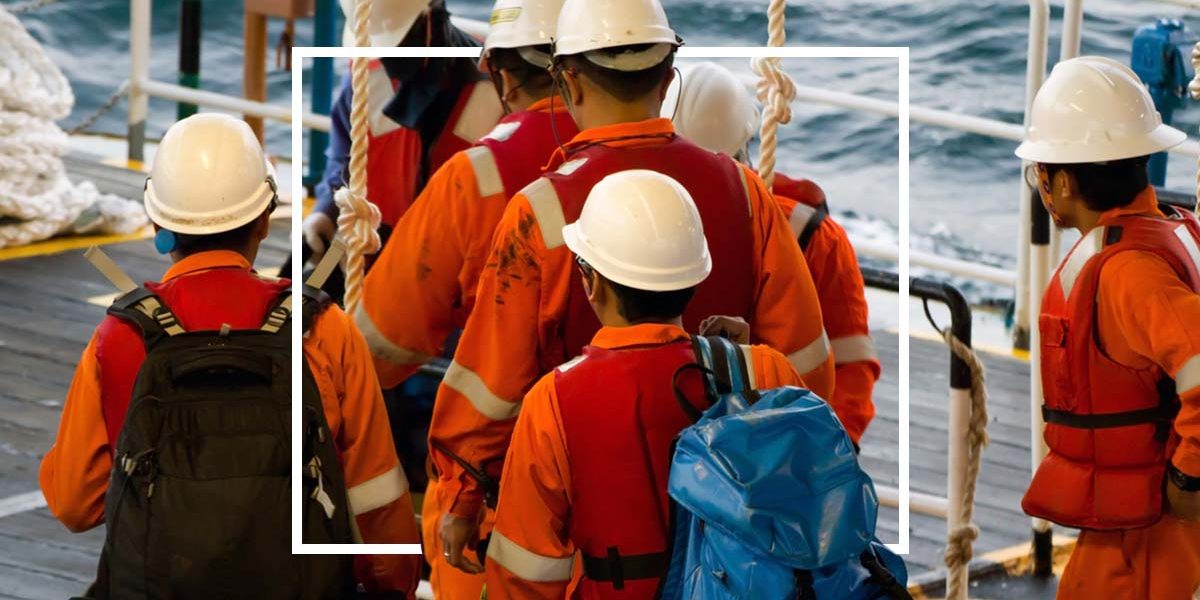
Offshore work is demanding and often dangerous. Workers on drilling rigs, supply vessels, tugboats, and other maritime vessels face hazards every day. Heavy machinery, changing weather conditions, slippery surfaces, and long shifts can all increase the risk of serious accidents.
When an offshore injury happens, many workers are unsure about their legal rights or what steps they should take next.
Federal maritime law provides special protections for seamen who are injured while working on vessels. One of the most important laws protecting offshore workers is the Jones Act.
This guide explains what injured offshore workers need to know about their rights and options after a maritime accident.
What Is the Jones Act?
The Jones Act is a federal law that allows injured seamen to seek compensation if their employer’s negligence contributed to an accident.
Unlike standard workers’ compensation systems, the Jones Act allows maritime workers to bring a legal claim against their employer.
This means that if unsafe conditions, faulty equipment, or improper procedures contributed to the injury, the worker may be able to recover compensation.
Who Qualifies as a Jones Act Seaman?
Not every maritime worker qualifies under the Jones Act. To be considered a “seaman,” a worker must generally:
- Work on a vessel operating in navigable waters
- Spend a significant amount of work time on that vessel
- Contribute to the vessel’s mission or operations
Workers who often qualify include:
- Deckhands
- Tugboat crews
- Offshore oil and gas workers
- Supply vessel workers
- Commercial fishing crews
- Captains and mates
Workers who primarily work on docks or near ports may instead be covered by the Longshore and Harbor Workers’ Compensation Act.
Common Causes of Offshore Accidents
Many offshore accidents occur because of unsafe conditions that could have been prevented.
Some common causes include:
- Slippery decks
- Equipment failures
- Falling cargo or tools
- Improper lifting procedures
- Inadequate training
- Fatigue from long work shifts
- Poorly maintained vessels
Maritime employers are required to provide a reasonably safe workplace for seamen.
Vessel Unseaworthiness
Another important maritime protection involves the concept of unseaworthiness.
A vessel may be considered unseaworthy if something about the vessel makes it unsafe for its intended use.
Examples include:
- Defective equipment
- Unsafe working conditions
- Inadequate crew members
- Poor vessel maintenance
When a vessel is unseaworthy and someone is injured, the vessel owner may be legally responsible.
Maintenance and Cure
Even when an employer is not directly at fault, injured seamen are still entitled to certain benefits.
One of the oldest protections in maritime law is called maintenance and cure.
Maintenance refers to basic living expenses while the injured worker recovers.
Cure refers to medical treatment related to the injury.
These benefits continue until the worker reaches maximum medical improvement, meaning their condition is not expected to improve further with treatment.
Compensation Available in Jones Act Claims
Injured seamen may be able to recover compensation for several types of losses, including:
- Medical expenses
- Lost wages
- Future lost earning capacity
- Pain and suffering
- Rehabilitation costs
Every case is different, and the amount of compensation depends on the circumstances of the injury.
What To Do After an Offshore Injury
Taking the right steps after an offshore accident can help protect both your health and your legal rights.
Important steps include:
- Report the injury to a supervisor immediately
- Seek medical treatment as soon as possible
- Document the accident if you can
- Avoid signing documents you do not understand
Learn about your legal options
Why Offshore Safety Matters
Offshore workers play an essential role in industries such as energy production, shipping, and commercial fishing.
These jobs help power the economy, but they also come with serious risks.
When companies prioritize safety and proper training, many accidents can be prevented. When negligence occurs, maritime law allows injured workers to seek accountability.
Jones Act Lawyer for Injured Offshore Workers
If you work offshore and were injured on a vessel, you may have rights under the Jones Act.
Offshore injury claims can involve complex maritime laws that are very different from standard workers’ compensation cases.
An experienced maritime attorney can help injured workers understand:
- Whether they qualify as a Jones Act seaman
- Whether employer negligence contributed to the accident
- What compensation may be available
Injured offshore workers should focus on recovery while making sure their legal rights are protected.


